

Give me a hammock in the woods
A book or two
And let me pretend the world has stopped for now

Let the blue jays squabble and the red squirrel scold
An hour or two
Beneath the pines' and cedars' shady boughs

I'll close my eyes and slow my heart, sigh deeply
A breath or two
'Til all those stressful lines have left my brow

Sweep me away in someone else's story
A world or two
As far away as imagination allows

While sunlight dapples fragrant forest floor
A prayer or two
For it to be happy ever after soon somehow
10 (More) Notable Canadian Literary Magazines
I’m back again with ten more quality literary publications that are based in Canada. Most of these magazines accept submissions from all over the world, but for all my fellow Canadian writers, it’s a little bit special to find a home for your work that is close to home.
A few tips to consider before submitting to any literary magazine:
- Read their submission guidelines carefully.
- Familiarize yourself with what kind of work they publish. Read an issue or two.
- Make sure your work is polished and ready for submission.
And most importantly, please be mindful that for literary magazines to exist, they need readers. Consider buying a subscription to support these journals in addition to submitting your work. After all, reading diversely and voraciously is the ultimate way to hone your craft!
Brick
Brick is an international literary journal published twice a year out of Toronto. They focus on literary non-fiction, challenging personal essays, interviews, translations, memoirs, belles lettres, and unusual musings.
If you want to know more about Brick before you submit or purchase, you can subscribe to Bricolage, a monthly newsletter that offers a sampling of the best of the magazine delivered right to your inbox.
Brick is open for submissions twice a year: from September 1 to October 31 and from March 1 to April 30. Opening soon!
Broken Pencil
Established in 1995, Broken Pencil publishes online and in print four times a year. Each issue of Broken Pencil features reviews of hundreds of zines and small press books, plus comics, excerpts from the best of the underground press, interviews, original fiction and commentary on all aspects of the indie arts.
Broken Pencil is based in Toronto, Ontario, Canada. They ask for an optional submission fee to offset the cost of keeping an open submission policy but do state that all submissions will be treated the same regardless of whether or not you opt-in to the submission fee. Currently, they pay between $60 and $120 per accepted piece.
Carousel
Established in 1983, Carousel is a hybrid literary/arts magazine representing new and established artists, focusing on positioning Canadian talent within an international context. It publishes biannually, exclusively online.
Carousel does not charge reading fees but does note that there are a limited number of free submissions per month. Accepted contributors will receive the following honorarium upon publication: Poetry: $20 per poem; Fiction: $40–$80 per story; Experimental Reviews: $20–$40 per review.
Carousel will be opening for submissions on September 15, 2022.
The Dalhousie Review
The Dalhousie Review was founded in 1921 and has been in continuous operation ever since, making it one of the oldest literary journals in Atlantic Canada. It has developed an international reputation for consistently publishing high-quality work by established and emerging writers in Canada and worldwide.
The Dalhousie Review is a literary journal published tri-annually by Dalhousie University in Halifax, Nova Scotia. They invite submissions from established and emerging writers in Canada and around the world of poetry, fiction, non-fiction, and reviews. Contributors receive two complimentary copies of the issue in which their work appears.
Geist
Geist is published four times a year by The Geist Foundation. The magazine features a mix of fact and fiction, photography and comics, poetry, essays and reviews, and the weird and wonderful from the world of words.
Although currently closed for fiction submissions, Geist is always seeking short (800-1200 words) non-fiction, typically personal narrative, for their Notes & Dispatches section. Notes & Dispatches are brief and often humorous or lighthearted evocations of life (most often) set in the land north of America, written in plain language with strong verbs.
Geist is a paying market; please see their website for details. There is a $3.00 reading fee.
Existere – Journal of Arts and Literature
Existere is a publication established, administered, and published by students in the Professional Writing Program at York University in Toronto, Canada. It publishes biannually, and submissions of poetry, fiction, non-fiction, and art are accepted from national and international contributors all year.
Existere pays authors $50 per accepted submission (maximum $250), along with a complimentary copy. There is no charge to submit work.
The New Quarterly
The New Quarterly publishes short fiction, poetry, postscripts, and non-fiction from Canadian writers. They are dedicated to promoting emerging Canadian writers alongside the work of established Canadian writers.
They pay their contributors as follows: Fiction and Non-fiction: $275; Poetry and Postscripts: $50 per piece; plus a complimentary copy and a special contributor subscription rate. There is no charge for general submissions, and they run three annual contests with an entry fee.
The Puritan
The Puritan began in 2007 as a quarterly prose journal based in Ottawa, Ontario. It now publishes in the form of an online magazine run from Toronto and has expanded its mandate to include poetry and reviews.
The Puritan seeks submissions all year round, from anywhere in the world. Their payment rates for publication are as follows: $100 per interview, $200 per essay, $100 per review, $150 per work of fiction, and $25 per poem.
Regular submissions to the magazine are free of charge and are accepted in these four categories: fiction, essays, poetry, and reviews.
Room
As Canada’s longest-running feminist literary journal, Room is published quarterly by the West Coast Feminist Literary Magazine Society. Room publishes fiction, poetry, creative nonfiction, art, interviews, and book reviews.
Writers from around the world are welcome to submit work. All contributors will be paid upon publication: $50 for one page, $60 for two pages, $90 for three pages, $120 for four pages, and $150 for five or more pages.
The Walrus
Based in Toronto, The Walrus publishes content nearly every day online and eight times per year in print. They accept submissions from Canada and around the world of short essays, long reads, fiction, poetry, visual features, and more.
Please note that The Walrus welcomes stories on any subject but does not publish mystery, historical romance, thrillers or genre fiction.
For an additional ten fabulous submission opportunities for Canadian writers, see my previous article, 10 Notable Canadian Literary Magazines.
Fern Factory
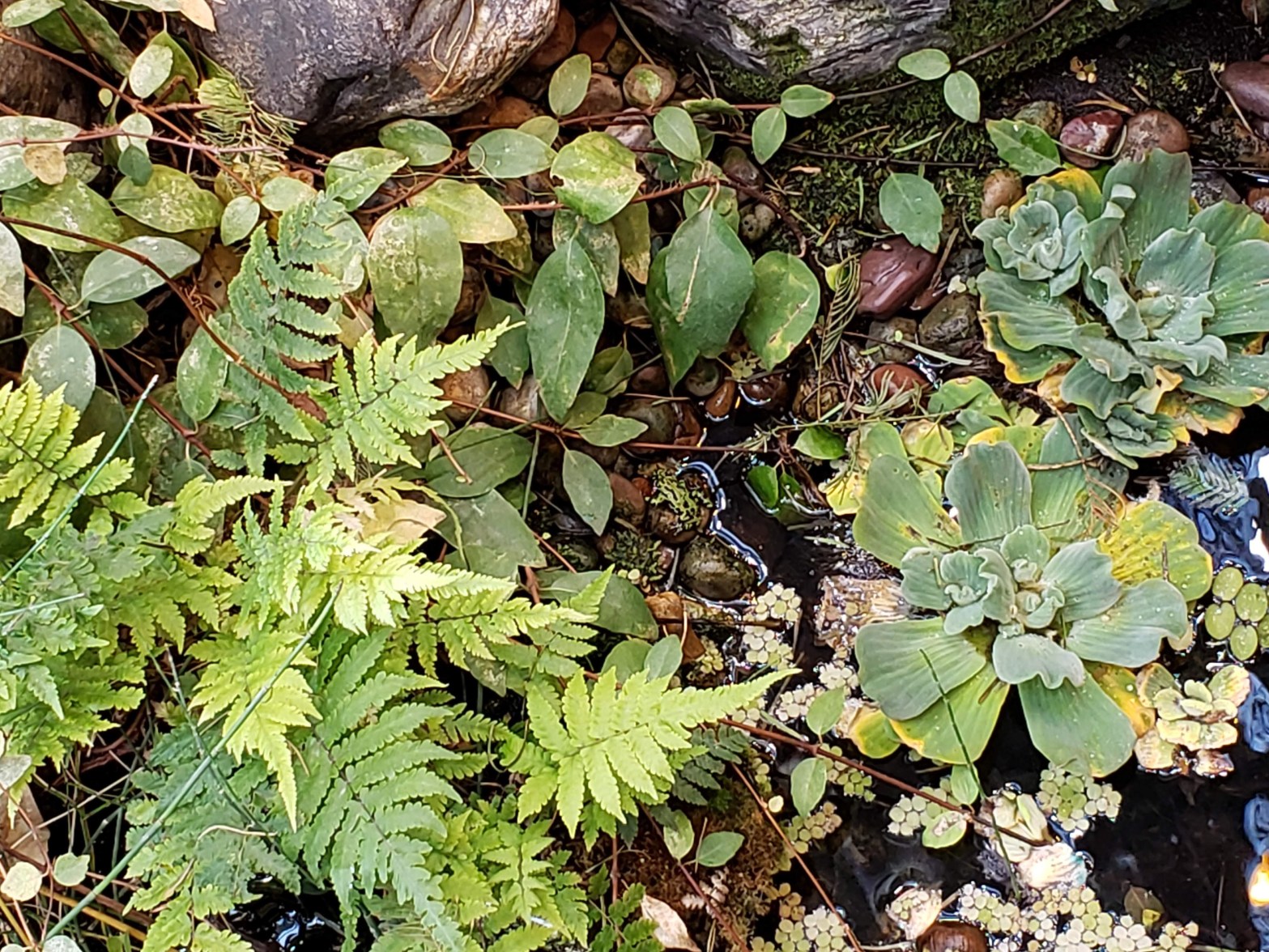
In a green and mossy wood, a beam of sunlight lit a clump of ferns.
Not just any old clump of ferns, this lucky sunbeam chanced today to shine its way like a spotlight right down on the very fern factory headquarters. The moment the golden beam kissed its first frond, inside the plant the claxon sounded, signalling the start of a new day shift.
Phil paced impatiently in his office. Before long, he heard a timid knock on the door. It was an intimidating door, to be sure, and being called in this early on a Monday morning to see the factory foreman could only mean bad news.
“Good morning Mr. Chloro. You wanted to see me?” The Root System Supervisor poked his head through the doorway, clearly not wanting to step all the way into the room.
“Come in and take a seat, Mr. Raiz. Mr. Blatt should be joining us shortly.”
Raiz perched on the edge of a chair, twisting and intertwining his fingers. He jumped when Blatt walked in without knocking. The Chief Engineer of Oxygen Production and Export had always projected self-importance, strutting around as if the whole factory would shut down without him.
With no introduction, Phil started into the tirade he had rehearsed all night, in front of the mirror, in the shower, on his way to the office.
“I’ve had enough of this ridiculous rivalry between you two. This is the last time I am going to speak with you. We have a job to do here, and it is a vitally important one, and I will not have petty personal differences slowing down production. Raiz.”
At the sound of his name, Raiz stiffened.
“Raiz, you’ve been slowing down of late, and it’s unacceptable. We can’t produce if we don’t have the raw materials. I don’t care if you have to hire more labour to make it happen—you must meet your quota of water and mineral intake. The earth is rich here if you tap into it properly. And as for you, Blatt . . .”
Blatt started to speak.
“No, Blatt, I don’t want to hear any more excuses. You will not be pointing the finger and shifting the blame any more. If we don’t do our jobs, everyone dies. Do you want earth’s atmosphere to be devoid of breathable oxygen? Do you want this planet to be without organic matter? Unfurl some new fronds if you need to. I expect oxygen output to be restored to optimum levels by this time next week. And do something about the carbon dioxide filtration—the efficiency in that department lately has been an abomination. I want you two working together, not against each other. Do I make myself clear, gentlemen?”
Both nodded sheepishly.
“You are dismissed. Get back to work.”
I Choose the Lonely Road
Crunch, crunch, crunch, crunch, squish! Damn, I’ve stepped in a cow pie.
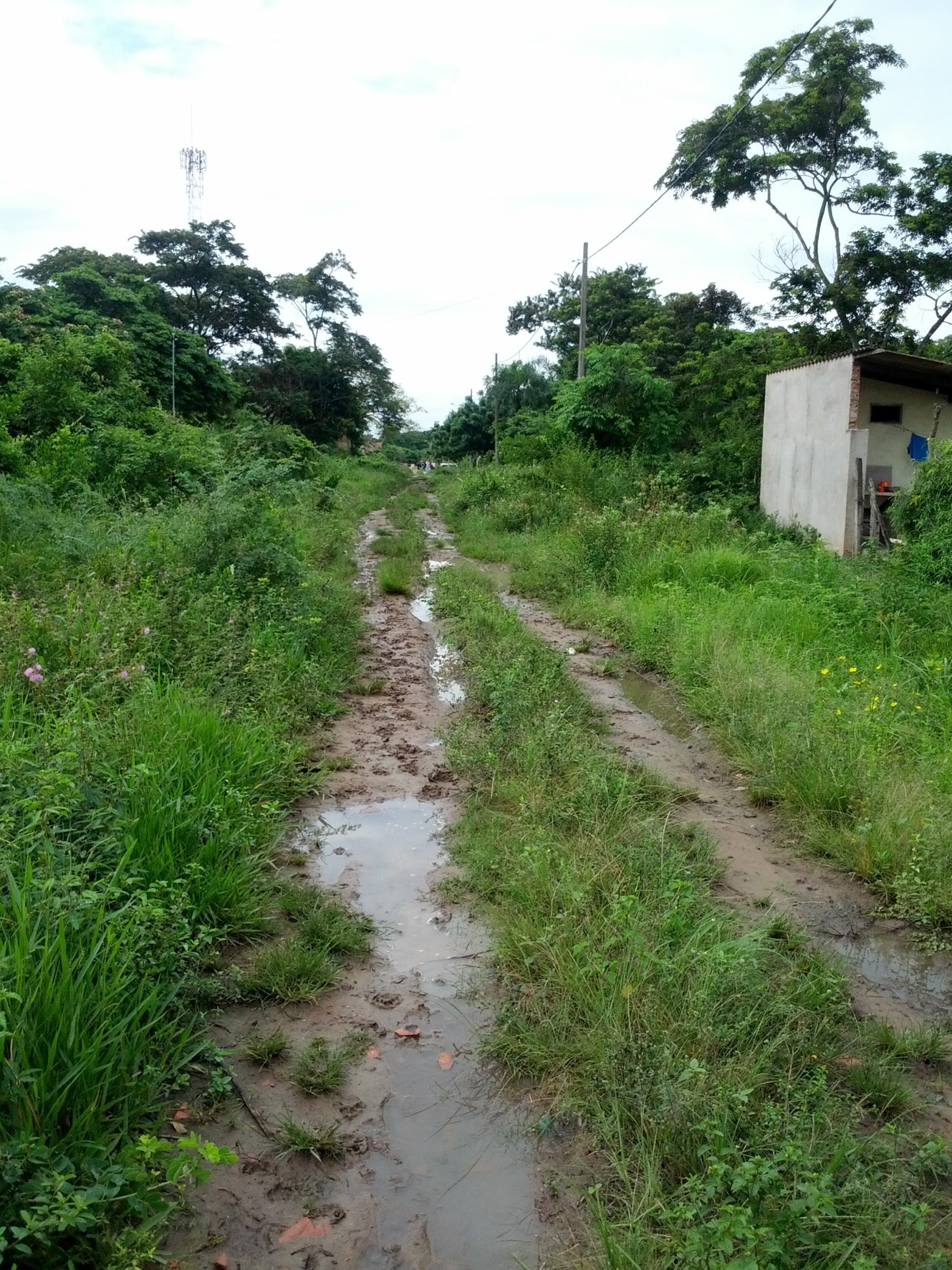
I know I should be watching where I’m stepping, not daydreaming, staring off past the palms to the horizon. The hens scratching at the side of the mucky dirt road cluck away to each other, and I imagine they’re making fun of me, trudging away down the road now with one shoe clumped with manure. I try to rinse it off in the ditch, startling an unsuspecting frog off a muddy rock in the process, but it’s not much use. I’ll be smelling manure now for the rest of my walk, but it’s not the worst smell in the world.
I walk a little more carefully now, dodging potholes and puddles and watching closely for any more leavings from the livestock. It’s overcast and gloomy, and the tin shacks sprinkled alongside the road look somber, as if they’re depressed too when the sun’s not out. At one house—yes, a proper house, this one, with cement block walls and grimy windows—the ratty curtain in the window twitches ever so slightly, and I know I’m being watched.
Suddenly I feel very alone on this unfamiliar road. Three shacks further down the road, somebody’s washing flaps in the wind, a string of colourful flags calling out that there’s human life here on this god-forsaken road. They’re here; I know they are, hunkered down inside their shacks and sheds, peeking out at me from behind tattered curtains and plywood doors. I look again at the clouds and think they’d better bring their washing in before it gets a free rinse that’ll take ages longer to dry.
I approach the fork in the road with trepidation, gazing first one way, then the other. The main road veers to the left, curving off into another cluster of rusty shacks, and I know it winds down toward the city, toward safety, toward escape. The road to the right is old and rarely used. It’s just two dirt ruts cutting through the grass, really, with a strip of weeds down the middle that would scrape along the undercarriage if you were driving.
The road to the right is a lonely road, leading into the unforgiving jungle with its insatiable humidity and mosquitoes and blood and bullets, and it is the one I must take.
This unfinished story was written as part of a writing exercise from Writers’ HQ on how to create realistic fictional locations. The instructions, in part, were to: “Head over to Mapcrunch, click the green GO button, and drop yourself into a randomized location somewhere in the world. Take in the view. Explore for a while. Or click the button again until you come across somewhere you might like to write about. Then, take another 10-15 minutes to note down all the details you can see or imagine. Use all five senses as well as your writers’ sixth sense to weasel out interesting things that might be brooding in the shadows.”
I love exercises like this as a no-pressure way to explore a scene and practice making a setting come to life. Sometimes I develop what I’ve written into something complete. Other times, like this little vignette, it stays buried on my hard drive and never gets used.
Do you ever write to prompts or exercises like this? Do you find that the work ends up becoming a completed story or part of your WIP? Drop a comment below and share your thoughts.
Found: One Women’s Slipper, Right Foot, Fur Trim, Some Water Damage
Josie said I was a fool for putting up an ad, but what could I do? The mate-less slipper was bedraggled, sodden even, upside down in the slushy remains of a late February snow bank. When I picked it up, its heft betrayed just how much salty mucky water had soaked into the faux fur and its fleece lining. It dripped the whole way home.
Oh God, what is that thing? Josie recoiled at the sight of it. I can understand why, in retrospect—even I had thought it looked like the bedraggled carcass of some small rodent when I first spotted it. I couldn’t very well leave it there. It had a mate somewhere and whether it had been lost or abandoned was not for me to know.
I stopped wearing slippers years ago. My feet sweat, and as cozy as they were, my slippers always seemed to smell like dank parmesan cheese. I tried washing them a few times, but the thump-swish-thump in the dryer sounded too much like some creepy being shuffling up the basement stairs, so that was the end of that. It’s hand-knit wool socks for me now, but night and day I thought about the toes that deserted slipper wasn’t keeping warm.
Are you still obsessing over that piece of garbage? I took to checking for replies to my ad when Josie was at work to save the accusing glances. She didn’t understand. It sat in the corner of the den, between the ficus and the bookshelf, looking forlorn. It consumed my thoughts.
Josie saw me try it on one day. When are you going to throw that vile thing out? The words belaboured slowly like a sigh and hung as heavy in the stifling August air. I knew it had become silly. Winter was long gone, replaced with flip-flop season, barefoot summer, thoughts of cold toes far from mind. But I still had dreams of single slippers gathering dust that woke me up at night.
I couldn’t find the words to make her understand. Josie ran out of patience and threw the slipper in the fire one October evening when the nights were coming early and brought with them the cold. You have to stop worrying about that stupid thing. I watched it turn to embers as we sat in chilly silence, the object of my worry, the focus of so many anxious thoughts, going up in smoke.
As the coals winked dimmer and Josie went to bed, I sat there in the dark. And in the slipper’s absence, an avalanche of worries starts to flow into the void it left behind.
Biscoff Chocolate Chip Sparklers
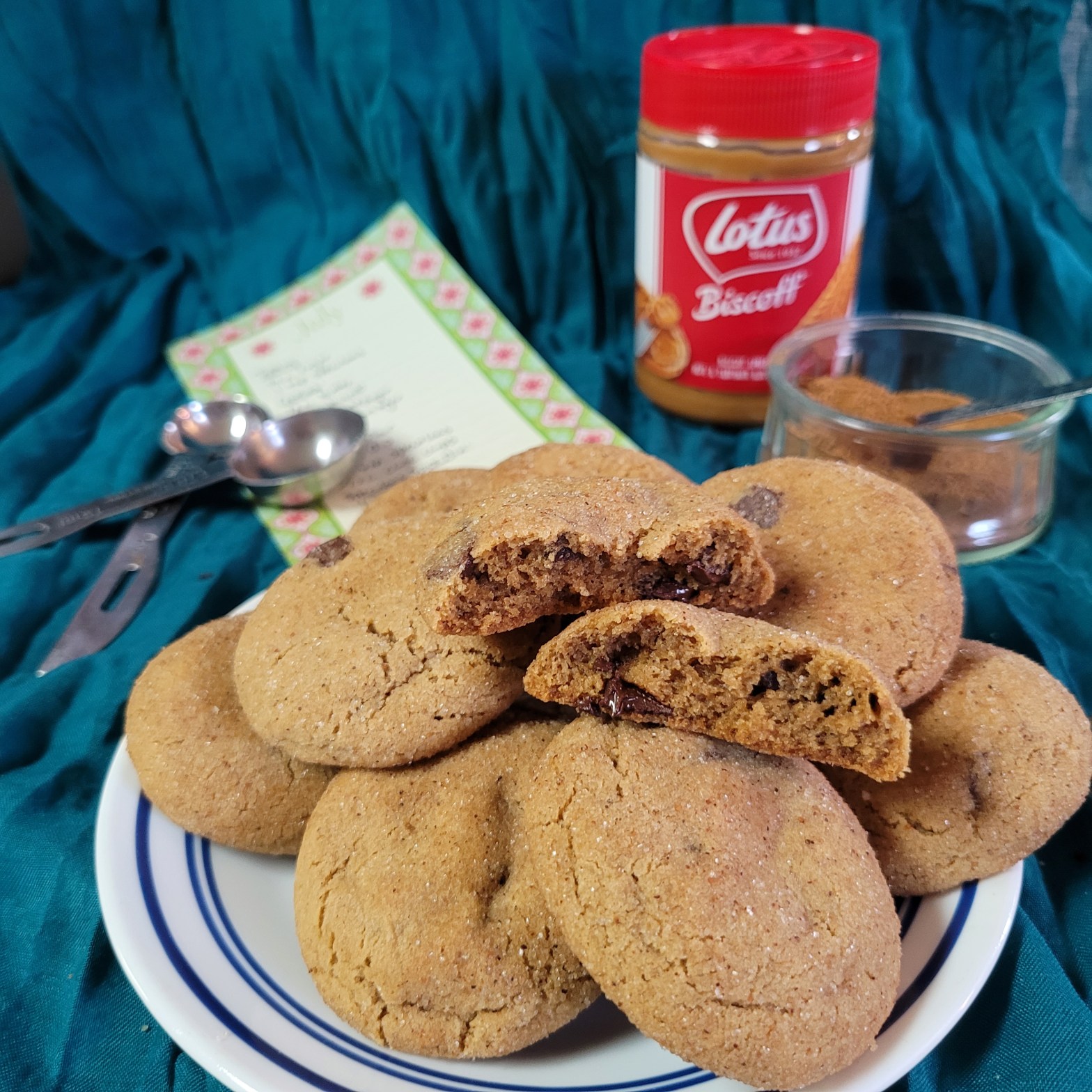
I love a cookie that takes me back to my childhood. Remember those Voortman bulk cookie bins in the grocery store? Oh, how I loved when we were allowed to pick out and take home a mixed bag of those cookies! Everyone could choose their favourite, and I always went for the windmills—crunchy, sweet, warmly spiced, and dotted with slivered almonds.
These sparkly little gems of cookies, made with my own speculaas spice blend, are reminiscent of those favourite childhood flavours. They’re chewy, packed with melty chocolate chips and warming spices, and rolled in crackly spiced sugar that gives them a pleasing crunchy exterior. A cheeky dollop of Biscoff cookie butter gives them an extra special softness that’ll have you dipping back into the cookie jar for just one more.
Biscoff Chocolate Chip Sparklers
Ingredients:
- Cookies:
- 113 g softened butter (1/2 cup)
- 57 g Biscoff cookie butter (1/4 cup)
- 50 g granulated sugar (1/4 cup)
- 110 g packed brown sugar (1/2 cup)
- 1 egg
- 205 g flour (1 1/2 cups)
- 2 tsp baking soda
- Pinch of salt
- 1 tbsp Speculaas spice blend
- 85 g semi-sweet chocolate chips (1/2 cup)
- Topping:
- 50 g granulated sugar (1/4 cup)
- 2 tsp Speculaas spice blend
- Speculaas Spice Blend:
- 4 tsp cinnamon
- 1 ½ tsp nutmeg
- 1 tsp cloves
- 1 tsp ginger
- ½ tsp cardamom
- ½ tsp aniseed (optional)
- ½ tsp white pepper
Method:
- Preheat oven to 180°C/350°F.
- Line a cookie sheet with parchment paper.
- Combine all of the ingredients for the spice blend together in a small bowl.
- Combine ¼ cup sugar and 2 tsp spice blend in another small bowl for the topping.
- In a large bowl, cream together the butter, Biscoff, and both sugars. When light and fluffy, mix in the egg.
- In a separate bowl, combine flour, baking soda, spices, and salt. Add in thirds to sugar/butter mixture, stirring until just combined. Mix in the chocolate chips.
- Scoop tablespoon-sized pieces, roll into balls between your palms, then gently roll in the sugar/spice mixture. Place onto cookie sheet, allowing a little room for them to spread.
- Bake at 180°C/350°F for 8-10 minutes, depending on your oven and your cookie sheet. Don’t overbake; you want these to be soft.
Makes two dozen cookies. Delightful fresh out of the oven, even better the next day once the flavours have really come out. Store in an airtight container to keep them soft.
A General Feeling of Vague Writerly Dissatisfaction
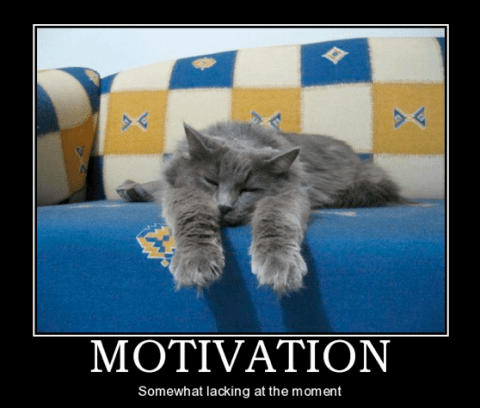
I’ve not been as invested in my writing of late. I go through seasons of dedication and productivity, interspersed with long, gloomy periods of low energy and minimal motivation. Perhaps that is just what the increasingly heavy state of the world does to us. It seems an insurmountable challenge to be joyfully creative when there are much weightier issues to be concerned with.
Amid the January blahs at the beginning of this year, I wrote an article: How to Recharge Your Creativity. It was full of suggestions on how to refill those depleted reserves when writing has started to feel more like a chore than a passion. If only I could take my own advice and somehow muster up the gumption to start churning out the words again.

It’s not that ideas are lacking. In fact, I think the opposite is true. As I listened to a podcast on my drive to work the other day, a seed of an idea for a YA novel crept into my mind, planted itself, and started to unfurl. The main character already seems real—I can hear her voice and see how she would react to things around her. The premise makes me laugh and practically rub my hands together with glee at all the potential for character development and conflict. Do I want to sit down and start to write it? No. Not at all. Not for ages.
I’ve had several minor epiphanies with regards to my current work in progress as well. I returned to the master and delved into a favourite Agatha Christie again and realized that what my plot-heavy novel lacks is more character, emotion, more chemistry and tension between the leading players to draw the reader in. I keep jotting snippets of dialogue and bits of colour to add. Do I want to sit down and work them into my draft? No. The gap between where my manuscript is currently and where I want it to be terrifies me into a hopeless state of muddled paralysis.
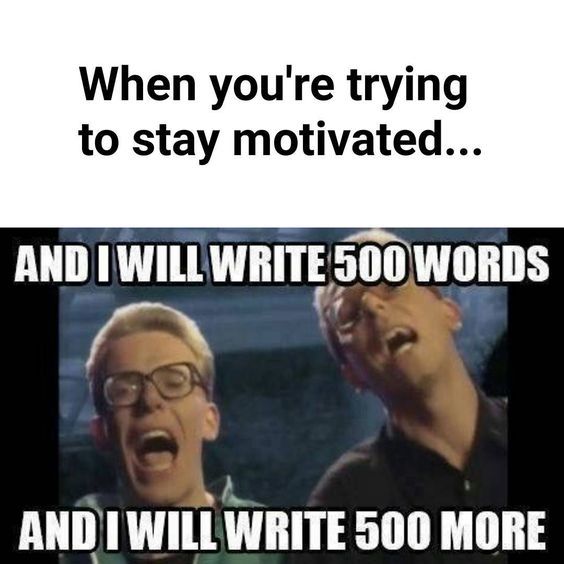
In the past, I’ve turned to flash fiction as an outlet for that need to get a story, some sort of story, words, just any words, down onto the page. When my novel looms too large and intimidating, banging out a tiny story in 500 words or less feels cathartic. It’s cleansing, somehow, to tell a story in the fewest words possible—to elicit a feeling from the reader without filling in all the gaps. Even that, at the moment, has been robbed of me. I have this short story I’m working on, a moody little tale of small-town secrets and layers of the truth behind a death that wasn’t quite an accident. There is so much story that I want to leave in the white spaces for the reader’s thoughts to linger over that when I sit down to work on it, I’ll literally move a half-dozen words around, add half a sentence, delete another three, and walk away dissatisfied after hours of nothing. It’s haunting me, and it’s the only thing currently on my plate that has a deadline.
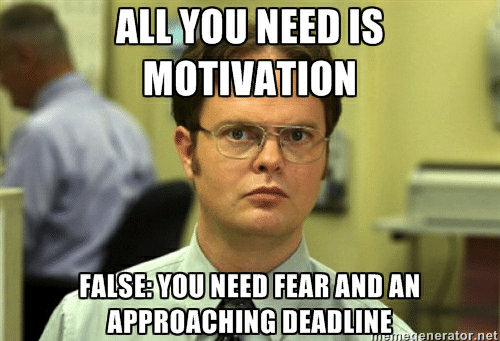
At the outset of 2022, I wrote down my writing goals. Consistently posting every week on my blog was near the top of the list. Editing my WIP was the prime objective, but writing flash and submitting to lit mags is also important to me. I scaled back my goal significantly from last year. This year: submit to one different publication each month. I’ve reached that goal so far and had one CNF piece published in print, which was an absolute triumph. All my other efforts thus far have fallen flat, but it’s not the rejections that have me discouraged; I had more than twice as many last year. No, it’s something else that I can’t quite put my finger on.
I’m going to call it the writing blahs, as I refuse to allow writers’ block to be a thing. It’s not that something is stopping me from writing; I’m just not completely satisfied with anything I write. But look—I sat down this evening to write my weekly article for this blog. The topic I had planned to write held no appeal whatsoever. I crumpled it up in a metaphorical ball and chucked it over my shoulder. 680 words later, this—shall we call it an essay?—appeared. Maybe there is some truth to this quote that I’ve come across more than once:
“Start writing, no matter what. The water does not flow until the faucet is turned on.”
Louis L’Amour
I’ll leave you with this thought, in the form of a pep talk and reminder to myself: I write because I love it. I write because it gives me no end of satisfaction to line up carefully selected words into sentences that say just exactly what I want them to say. I write because it’s fun to tell stories and see how people react differently to them. Mostly, I write for myself because I enjoy it, and it gives me a sense of accomplishment when I can say something is done. And even though I go through occasional lulls, one day—it might be a long way away yet, let’s be realistic—I will finish my novel. That will be a very good day.
Until then, I’ll just keep writing.
And Still the Planet Burns
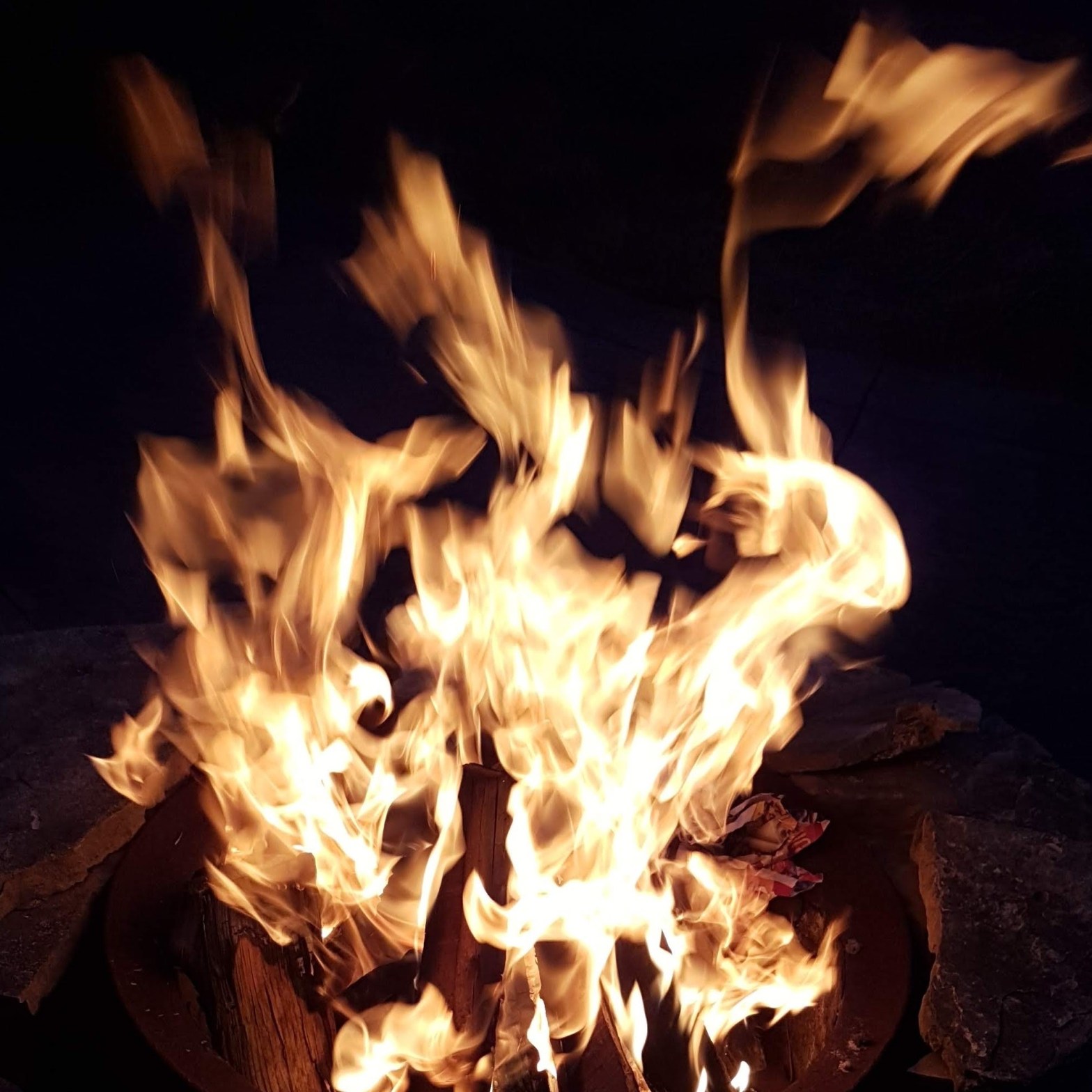
It devours everything in its path, without discrimination. The mansions of the mega-rich give themselves for tinder just as eagerly as the shanties in the slums. Neither a crystal clear infinity pool nor the stagnant puddle in an old abandoned tire are any match for the insatiable flames. We must evacuate alike; we all will suffer loss, equal now if only in our devastation. Our memories go up in smoke as we flee. What are we running to? I fear there is no future. Nothing can withstand this white hot inferno.
Along the fire’s crackling edge, the ground seethes with refugees, and not just here. Fleeing, flying, fearful, their terror moves them forward. Limping along on singed tender paws, a sooty fox wanders homeless. I sob a prayer, both for him and for his comrades lost in the charred Taiga. Bandaged koalas and sprawled lifeless kangaroos stab pangs of agony through my breaking heart. I wail for the bears and the deer whose mountains are ablaze. And the endangered of the Amazon, teetering on the edge of extinction as their home goes up in smoke—they haunt me with their screeching dirge. What have we done?
Far behind the blinding epicenter and that advancing battalion of relentless marching flames lies the terrifying aftermath. Nothing left but crispy smouldering ground and toothpick trees, no life to find, no life spared. Everywhere I look is charred. Shells of burnt-out houses jut out of the coals. The earth is a casualty of a war we started, a one-sided battle against our own selfish arrogance. Here in no man’s land the air is laden with hopelessness and loss.
I choke and cough, smothered by the lump in my throat. Is it grief? Or is it the incessant dusky cloud that hangs heavy evidence of our errors across the sky? Each gasping breath of the caustic smog stings from the back of my nostrils down, down into the depths of my lungs. My chest constricts to think that I inhale the remnants of all these lost lives. Their smoky tendrils drift and spread with the wind, creeping thousands of miles to poison lungs and burn eyes.
The oppressive heat evaporates my tears faster than they can run—a drop of water against the whole of hell. More of us need to feel. More of us need to care. More of us need to cry. More of us need to change.
Can the tears of a billion souls stop this raging fire?
The Man Who Died Twice (Richard Osman)
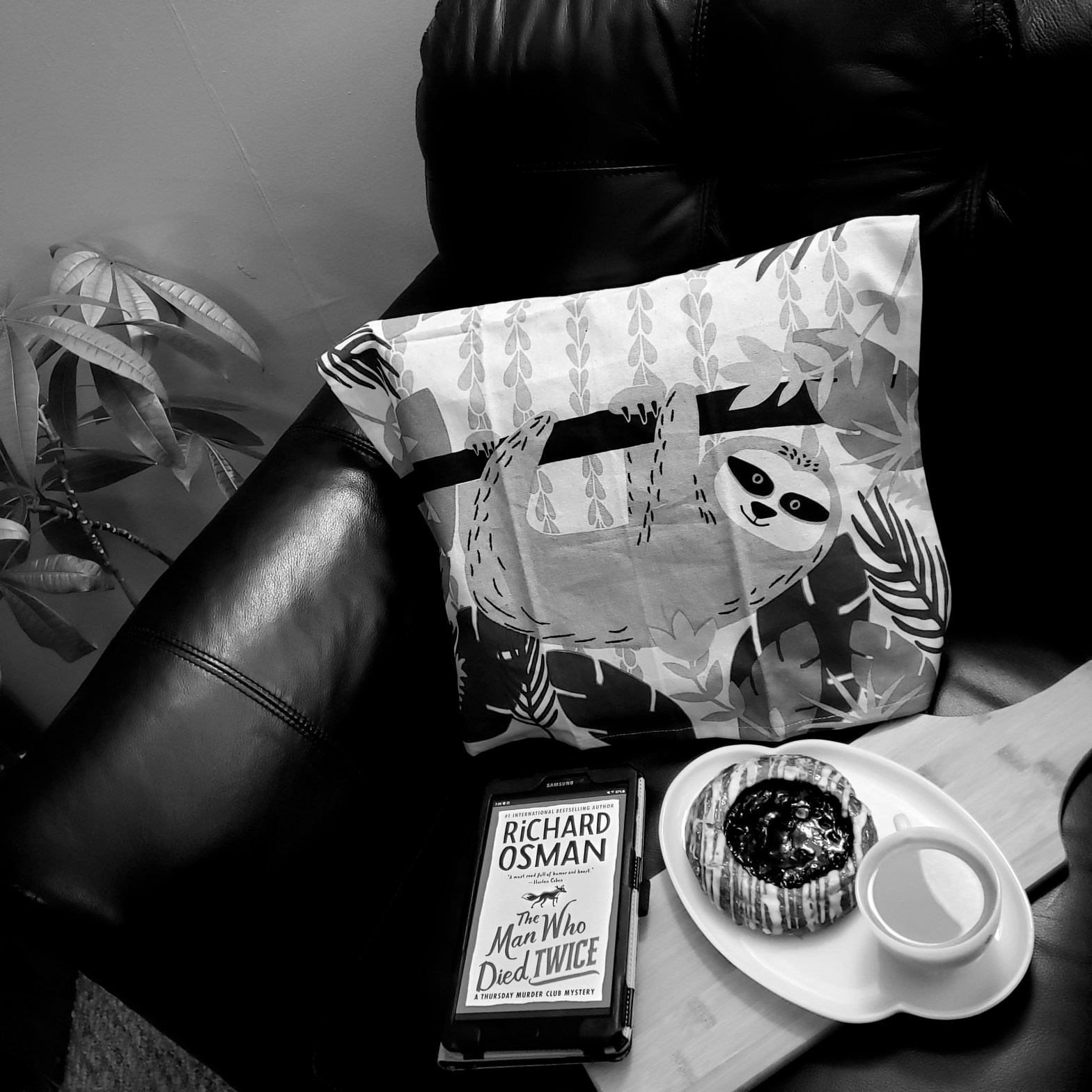
Twenty million pounds’ worth of stolen diamonds, a secret agent ex-husband hiding from the mafia, a brutal mugging, and an ever-so-realistic little romantic sub-plot. My new favourite gang of quirky seniors is back in Richard Osman’s follow-up to The Thursday Murder Club, and it’s everything I had hoped for.
“That twinkle in his eye was undimmed. The twinkle that gave an entirely undeserved suggestion of wisdom and charm. The twinkle that could make you walk down the aisle with a man almost ten years your junior and regret it within months. The twinkle you soon realize is actually the beam of a lighthouse, warning you off the rocks.”
The Man Who Died Twice combines murder and intrigue with the banality of life and growing old in a way that is simultaneously fast-paced and gripping and delightfully comic. Osman expertly intertwines his tangled plot threads while studding the entire narrative with so much genuine character the reader cannot help but be invested.
“I’m involved about as much as I want to be with the Thursday Murder Club. If they can plant cocaine in someone’s cistern, I don’t want to think about what they’d do with my love life.”
Admittedly, the book contains a certain amount of blood and violence that puts it on the fringe of the cozy mystery genre, if not off the roster entirely. The relationships still feel cozy, though. The ring-leader of the Thursday Murder Club, retired secret service agent Elizabeth, is back and kicking, devising plans to punish the baddies and mete out her own version of justice that dwells just outside the boundary of the law. Kind-hearted Joyce, the real MVP and source of most of the comedy, uses her ditzy façade to beguile people into just where she wants them, while we are given glimpses into her wit and cunning (and total lack of technological awareness) through intermittent journal entries.
“More women are murdering people these days,” says Joyce. “If you ignore the context, it is a real sign of progress.”
If anything, this sequel has even more heart than the first novel. We delve deeper into the complicated relationships and histories of our much-beloved seniors who, while solving murders and out-witting professional criminals and law enforcement agencies alike, never lose sight of the trivialities of everyday life. Richard Osman has a knack for characterization that I continue to envy and hope to one day emulate.
“I am learning that it is important to stop sometimes and just have a drink and a gossip with friends, even as corpses start to pile up around you. Which they have been doing a lot recently.
It’s a balancing act, of course, but, by and large, the corpses will still be there in the morning, and you mustn’t let it spoil your Domino’s.”
The Man Who Died Twice reads like a comedy, and you will laugh; you can be sure of that. But beneath the quirky and amusing runs an undercurrent of sobering reality. Particularly touching is the storyline that follows dear, pensive Ibrahim as he has a brush with his own mortality and struggles to retain his confidence and courage. The all-too-real themes of coping with loss and facing the doubts and fears of the changes that come along with aging are tackled with a self-awareness that makes Osman’s characters so incredibly relatable.
“We are all gone in the blink of an eye, and there is nothing to do but live while you’re waiting. Cause trouble, play chess, whatever suits you.”
“The secret of life is death. Everything is about death, you see. In essence. Our existence only makes sense because of it; it provides meaning to our narrative. Our direction of travel is always towards it. Our behaviour is either because we fear it, or because we choose to deny it.”
It’s a droll and clever mystery enhanced by charming characters that propel the story through rapidly-shifting viewpoints and scenes, building tension while maintaining a light-hearted and witty style.
“There are certain steps you take in life that you can’t easily turn back from. So take them with care. You don’t want to make a fool of yourself.”
Candy Floss Concerns
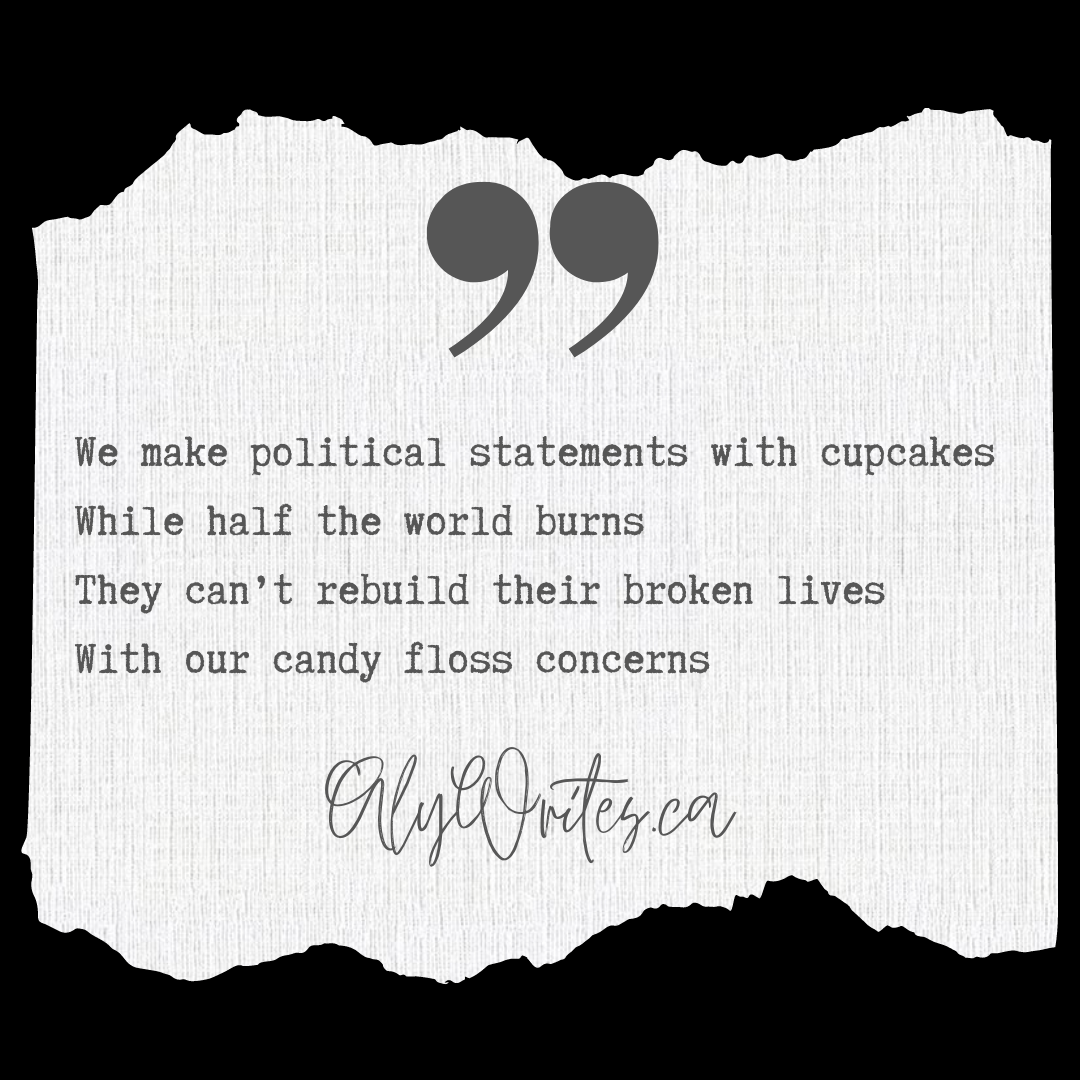
We make political statements with cupcakes
While half the world burns
They can’t rebuild their broken lives
With our candy floss concerns

They can’t survive on marshmallow dreams
Or our pastel-painted apathy
Grasping profits on the back of their pain
With yet another slogan T-

These causes that go viral
When suffering is trending
We daren’t lift an actual finger
Hashtag World Is Ending
Here today and gone tomorrow
Some celeb’s marriage is rending
They’re just as soon forgotten
For what the algorithm’s sending

Our sugar-coated platitudes
Won’t stop the wars from killing
Stop
Just stop
Why won’t it stop?
The outlook’s downright chilling.
 Aly Writes